 +91 9926520003
 sales@shahifood.in
 Delivery Charges : ₹199



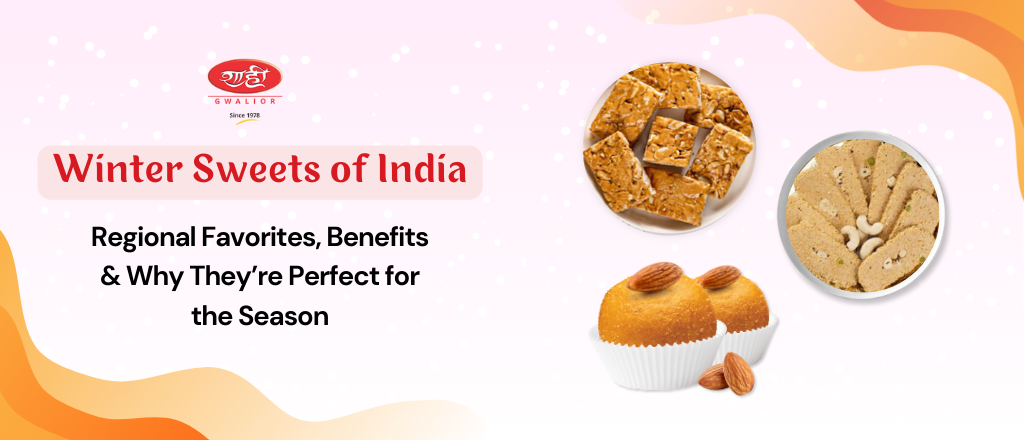
Why Winter Sweets Hold a Special Place in Indian Cuisine
Winter brings in crisp chill air that makes Indian kitchens come alive with the aroma of spices and the sweet smell of jaggery along with roasted nuts. These aromatic, tasty sweets are deeply woven into the Indian culture with several of them being tied to festivals such as Lohri, Makar Sankranti, and Pongal. Families gather together to share laddus with halwas symbolising unity and prosperity. Our sweets are also rooted in Ayurvedic wisdom as it utilises seasonal produce to help balance the doshas to provide warmth against the cold.
Why Are Winters Ideal for Traditional Indian Sweets?
Winters turn India’s diverse landscapes into a treasure trove of flavours which makes it the perfect time to savour traditional gut and soul warming foods.
In the colder months, our digestion system strengthens naturally and allows us to enjoy calorie-dense sweets without much discomfort. During winter, our body requires more energy from shorter days and chilly winds call for nutrient-packed treats.
Key Ingredients Used in Indian Winter Sweets
Now, let’s dive into produce that works as a perfect soul-warming winter sweets and snacks:
- Gud: Also known as jaggery, this is unrefined cane sugar that melts into a caramel like sweetness. Gud is rich in iron and minerals which helps our body combat winter anaemia. Use it to make Gajak, laddus and much more.
- Til: Also knowns as sesame seeds, these tiny seeds come packed in healthy fats and calcium. This helps your body generate body heat. Roast and add them to your dishes for a nutty crunch to enhance the flavour. You can use them in salads, rice dishes, or sweets such as til laddus, chikki.
- Peanuts: Peanuts are affordable and are packed with protein. They add chewiness and keep your energy levels high during cold winter days.
- Edible seeds and dry fruits: Cashews, almonds, sunflower seeds, melon seeds all provide your body with antioxidants, vitamins and add to a luxurious texture. Roast them along with a little salt, and eat them in protein bars and sweets.
- Ghee and whole grains: Clarified butter or ghee is rich; it aids absorption and grains like wheat flour offers fibre for a good gut health.
North Indian Winter Sweets
The snowy hills of the North and the bustling markets bring sweets that evoke cosy bonfires and family feasts that are crafted to fight the biting cold.
Gajar ka Halwa
To make Gajar ka Halwa, grate red carrots and cook them slowly in sugar, milk to form a velvety pudding that you can top with almonds or a silver foil. The natural sweetness of carrots adds warmth making it a perfect post-meal staple. It nourishes the body with beta-carotene and adds glow to your skin amid the dry winter air.
Pinni
Roast urad dal flour in ghee, jaggery, nuts, and fennel seeds and shape them into golf-ball-sized delights. Pinnis are packed with proteins and spices, help build your stamina for harsh winters. Pinnis are often gifted during Lohri celebrations.
Til ke Laddu
Roast sesame seeds and add molten jaggery to create these crunchy spheres which is the perfect Sankranti favorite. Oil from sesame seeds generates internal heat, making it ideal for warding off joint stiffness.
Read Also: Top 15 Winter Immune Booster Foods You Must Add to Your Diet
West Indian Winter Sweets
Western India brings along vibrant sweets that blends Gujarati sweetness with Maharashtrian boldness. That makes it ideal for the region’s mild yet foggy winters.
Tilgul
Infuse Sesame-jaggery laddus with dried ginger to make it a perfect Maharashtra staple for Makar Sankranti. “Tilgul ghya, god god bola” encourages sweet words alongside the warming bite that soothes throats.
Methi ke Laddu
If you grind fenugreek seeds and add them to melted jaggery and ghee, then they form these tasty bitter-sweet balls. These laddus are given to pregnant, lactating women to strengthen their body. The detoxifying properties in these laddus help balance winter indulgence beautifully.
Undhiyu Mithai Variants
You must have heard of a savoury undhiyu but this sweet version incorporates jaggery and is also sweetened with nuts and coconuts. These rare gems offer a sweet-savory contrast and provides digestive ease in cooler coastal climates.
East Indian Winter Sweets
Bengali winters bring Poush Parbon festivities, where milk-based sweets shine with date palm jaggery’s unique floral notes.
Nolen Gur Sandesh
When you take fresh chhena cheese and mould it with nolen gur (new jaggery) it creates a melt-in-mouth feel. This delicacy captures winter’s essence, as gur’s enzymes help aid digestion.
Patishapta
Patishapta are crepes of rice flour that is stuffed with a coconut-jaggery filling and is served warm with rabri. Poush Mela delivers instant comfort and sustained energy.
Chaler Payesh
Chaler Payesh is a winter snack where rice is slow-cooked in milk with nolen gur and cardamom to form creamy kheer. Its subtle sweetness nourishes during foggy December mornings.
South Indian Winter Sweets
- Lead into the heading with one short para.
- Below each sub heading needs to be explained with one or two short para.
When we move down South, temple traditions and harvest festivals inspire sweets that harmonise spices with sweetness against mild chills.
Sakkarai Pongal
To make Sakkar Pongal, rice and moong dal is pressure-cooked with jaggery, ghee, and cashews and is served as prasad on Pongal. This one-pot wonder floods the body with carbs and fats for vitality.
Ellu Urundai
Sesame-jaggery balls, Tamil Nadu’s Pongal treat are roasted for maximum crunch. They boost calcium intake for bone health in dewy winters.
Wheat Halwa
Godhuma halwa or wheat halwa is made from crushed wheat that’s soaked in jaggery syrup and ghee. Its dense texture provides long-lasting warmth and satisfaction.
Popular Pan-India Winter Sweets You Must Try
Sweets in India are enjoyed everywhere, and here are some popular sweets that Indians absolutely love:
Gajak
Explain sesame-jaggery preparation, crunch, and winter significance.
When thin slabs of sesame seeds are fused with jaggery threads the sweet creates an addictive crunch, that symbolises Sankranti’s harvest. Their high sesame content fights winter fatigue brilliantly.
Chikki
Explain peanut and jaggery base, long shelf life, and energy benefits.
Chikki is made of Peanuts and Jaggery. Crushed peanuts and jaggery are mixed to form slabs with a brittle snap. Chikkis have a long shelf life which makes it a traveler’s delight. Bursting with proteins, it fuels energy without spoilage.
Besan Laddu
Explain roasted gram flour, ghee richness, and warmth-providing nature.
To make besan laddu, roasted gram flour is kneaded into ghee-jaggery orbs to provide a melting rich taste on the tongue. Its warming spices like cardamom provide instant body heat.
Dry Fruit Atta Laddu
Explain combination of wheat flour, dry fruits, and ghee for strength and nourishment.
To make dry fruit laddus, wheat flour is roasted with ghee, then chopped dry fruits are added to the mixture along with jaggery and then rolled into balls. This powerhouse mix strengthens muscles for active winters.
Health Benefits of Winter Sweets
Apart from being delicious, these sweets align with Ayurveda’s winter regimen, offering targeted nourishment when our bodies crave it most. Here are some of the health benefits of indulging in these delicious traditional Indian sweets:
- Provide natural warmth to the body through sesame and ginger’s thermogenic properties.
- Improves energy and stamina with complex carbs and healthy fats for daily vigor.
- Support digestion during cold weather via jaggery’s enzymes and fiber-rich grains.
- Strengthen immunity with zinc from nuts and vitamin C from dry fruits.
- Nourishes the joints and muscles as ghee is an anti-inflammatory and seeds provide calcium.
- Promotes better sleep with tryptophan in milk-based sweets like payesh.
Why These Sweets Are Perfect for Cold Weather
Winter sweets are nature’s antidote to the season’s chill, and its actually a delicious blend of science and tradition. Warming spices like black pepper and dry ginger counter Kapha dosha’s sluggishness, while calorie-dense profiles meet heightened metabolic demands. Seasonal balance comes from ingredients harvested at peak potency, ensuring maximum flavor and efficacy.
Homemade vs Market-Bought Winter Sweets
- Lead into the heading with one short para.
- Explain consistency, hygiene, ingredient quality, and convenience.
Deciding between kitchen-fresh and store-bought boils down to personalization versus ease in our busy lives. Homemade versions guarantee hygiene, fresh ingredients, and customisable sweetness, fostering family bonding. While market-bought ones offer consistency, longer shelf life, and convenience. Always opt for trusted brands to match home taste. Companies such as Shahi Food Products have been making traditional Indian sweets such as chikki, gajak and laddus for years providing their customers with the handmade taste of tradition which retaining the products authenticity.
Who Should Include Winter Sweets in Their Diet?
Tailored for winter’s demands, these sweets suit diverse groups craving nourishment and joy. However, people who suffer from diabetes should limit the quantity of their sweets as it could spike their sugar levels.
- Children and growing teenagers: Boost growth with proteins and calcium for active play.
- Elderly people: Ease joint pain and provide easy-to-digest energy.
- Physically active individuals: Fuel workouts with sustained carbs and fats.
- People exposed to cold climates: Combat chills with inherent warming qualities.
Common Myths About Winter Sweets
Despite their popularity there are several misconceptions that cloud these wholesome delights. Here are some facts about Indian traditional sweets that break the myths surrounding them.
- Winter sweets always cause weight gain: Moderation and activity balance their calories effectively.
- Jaggery is unhealthy: It’s nutrient-dense, far superior to refined sugar and contains iron and magnesium.
- Ghee should be avoided in winter: It lubricates joints and enhances nutrient absorption in cold.
- Traditional sweets lack nutrition: Loaded with minerals, they’re Ayurveda’s superfoods.
- They’re only for festivals: Daily moderation maximizes year-round benefits.
FAQs About Indian Winter Sweets
Q: Are winter sweets vegan-friendly?
A: Many like gajak and chikki are, but most of them contain ghee. Look for sweets that use coconut oil.
Q: How long do they last?
A: Homemade: 1-2 weeks; store-bought: up to months in airtight containers.
Q: Can diabetics enjoy them?
A: Opt for low-glycemic jaggery versions in small portions.
Key Takeaways
Winter sweets wrap up tradition, taste, and wellness in every bite. They are an absolute essential for the season’s demands.
- Indian winter sweets are seasonal and nutrition-rich.
- Gajak, chikki, besan laddu, and atta laddu are winter essentials.
- Ingredients are chosen to provide warmth and energy.
These sweets are best enjoyed in moderation during the winter season
Shop Traditional Winter Sweets Online from Shahi Foods
If you are craving authentic flavors without the hassle, then visit Shahi Food Products as it offers premium, preservative-free winter sweets like gajak and tilgul, delivered fresh to your door. They are also perfect for gifting or stocking up this season.